Get Your Free Estimate

(631) 740-7253

When the skies darken over Long Island, homeowners know what’s coming next intense rainfall, flash flooding, pooling water, and heavy winds that can quickly turn an unprepared yard into a costly disaster zone. Long Island’s weather patterns have only grown more unpredictable in recent years, bringing more sudden downpours, hurricane remnants, and extended wet seasons.
And while most homeowners focus on protecting the inside of their home, your yard is actually the first line of defense against water damage. A well-graded yard, supported by smart drainage planning, healthy plant systems, and strong structural elements, can prevent flooded basements, shifting soil, erosion, root damage, mold growth, and thousands of dollars in repairs. Building a storm-ready yard is not about waiting for the rain to come.
It’s about preparing the ground beneath your feet, shaping the landscape to direct water safely, and reinforcing the systems that protect your foundation and home. With the right plan and the help of professionals like Eagle Eye Home Services, you can create a year-round resilient outdoor space that stays strong, functional, and beautiful no matter how much rain Long Island throws at it.
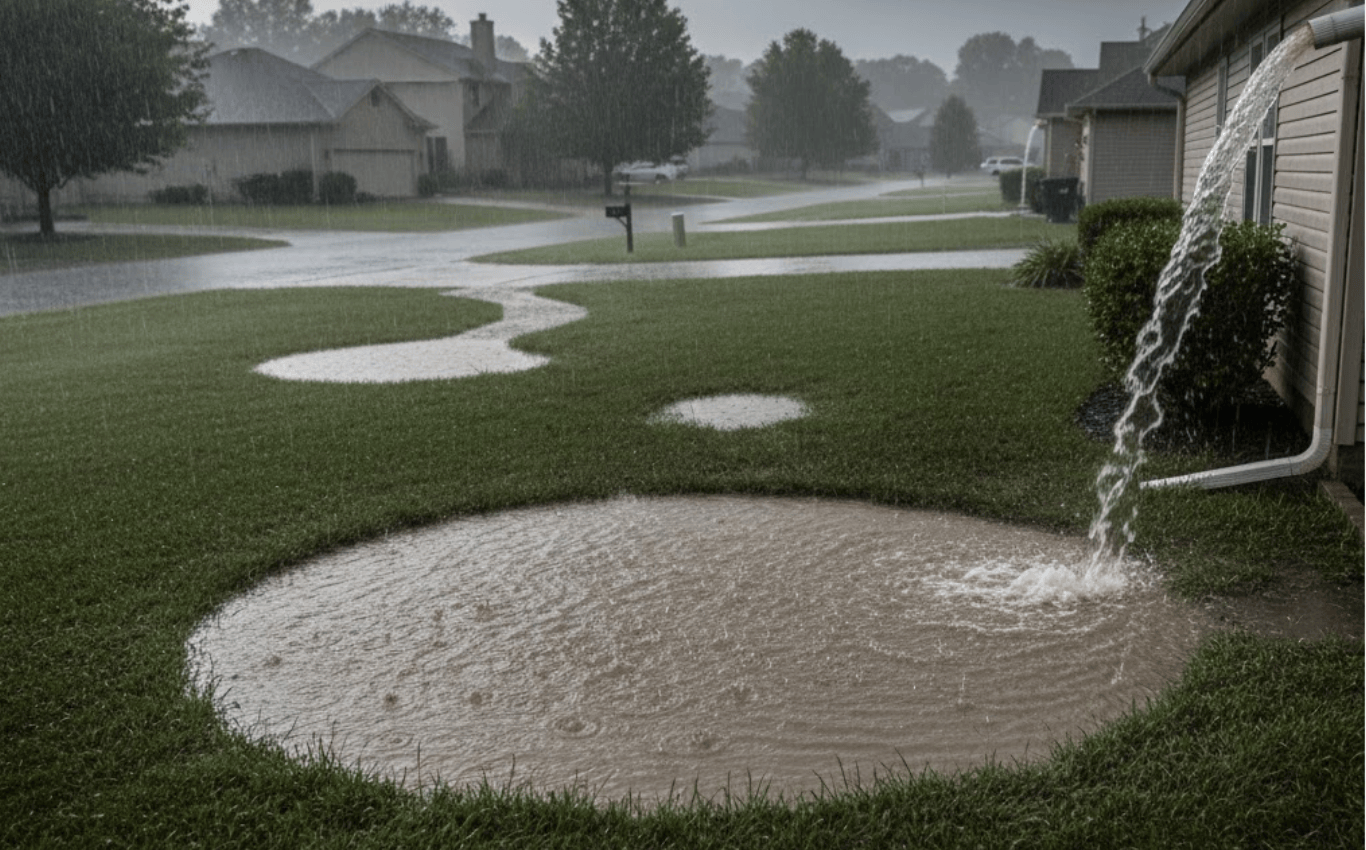
Every yard has its own “water behavior.” Sometimes water naturally moves toward the driveway, collects near the foundation, or settles in low corners of the lawn. Understanding how your yard directs water during storms is the first essential step in building a flood-resistant, storm-ready property. Terrain shape, soil type, slope direction, and even nearby structures all influence how water flows and how problems form.
Low areas in your yard act like bowls, collecting stormwater without providing any escape route. Over time, these areas become trouble spots with:
A professional assessment from a team like Eagle Eye can determine whether you need regrading, soil correction, or redirection solutions through proper Excavation services.
Soil type dramatically affects drainage:
Understanding your soil helps determine whether you need soil amendments, deep aeration, or planting strategies using Planting services.
Your driveway, patio, shed, walkways, and even your neighbor’s property all impact drainage. Water always takes the path of least resistance and sometimes that path leads directly to your foundation or basement. Using Building services to create strategic grading or drainage channels around existing structures can dramatically reduce flood risk.
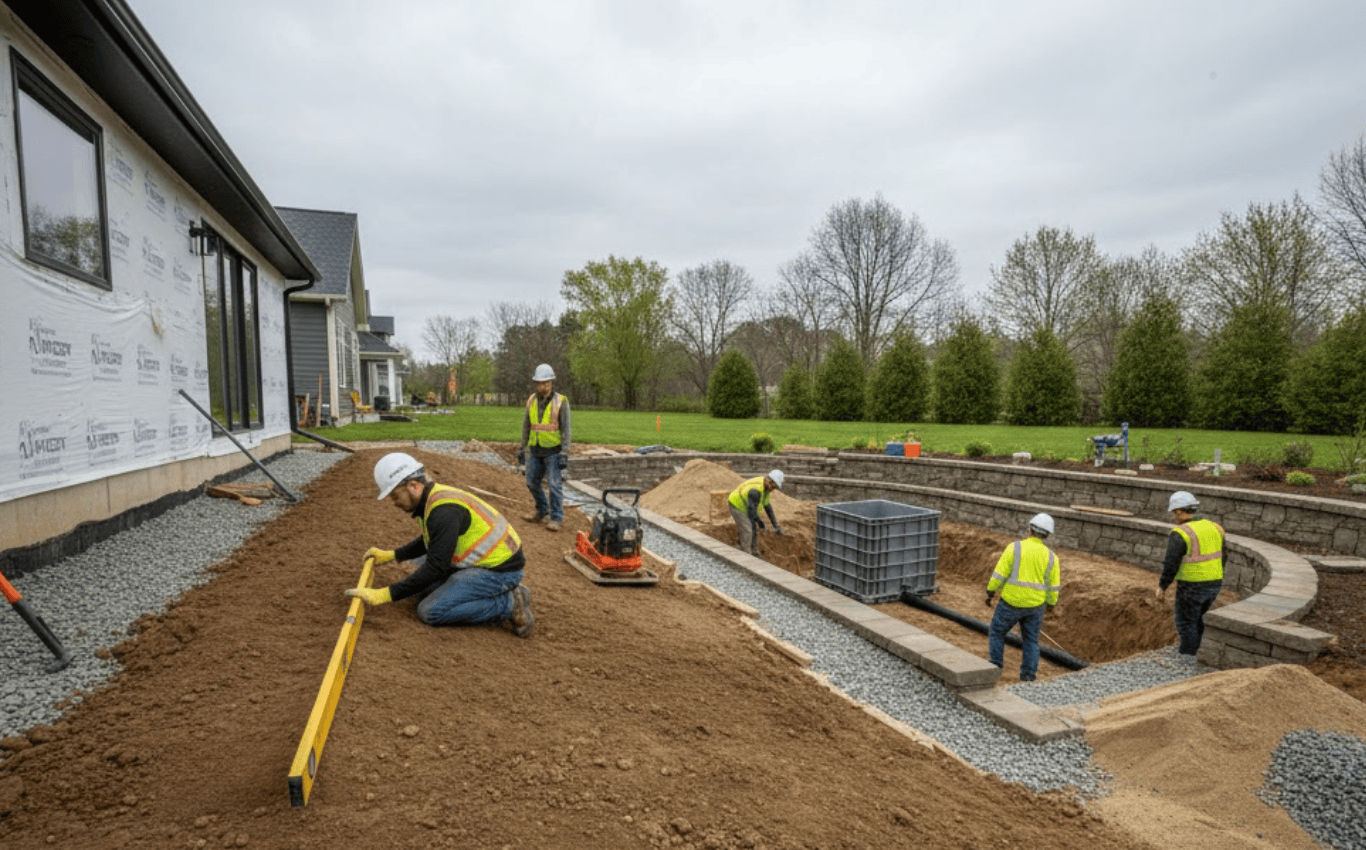
Grading is the process of shaping your yard’s slope so water moves away from your home rather than pooling around it. Without proper slope direction, your home becomes vulnerable to foundation cracks, mold, and basement flooding. Smart grading paired with professional drainage solutions creates a powerful first defense against Long Island’s heavy rainfall.
A proper slope ensures that water flows outward instead of inward. A common rule is a 6-inch drop over 10 feet, but every property is unique. Professional Excavation work ensures:
This prevents water from working its way toward your foundation.
Depending on your yard’s specific water behavior, additional systems may be needed:
These solutions integrate seamlessly with your yard and support long-term water management.
Retaining walls protect your soil from washing away during storms and help create safer, more functional outdoor spaces. They are especially useful on sloped or uneven properties. With the right Building service approach, retaining walls double as aesthetic features while delivering storm protection.
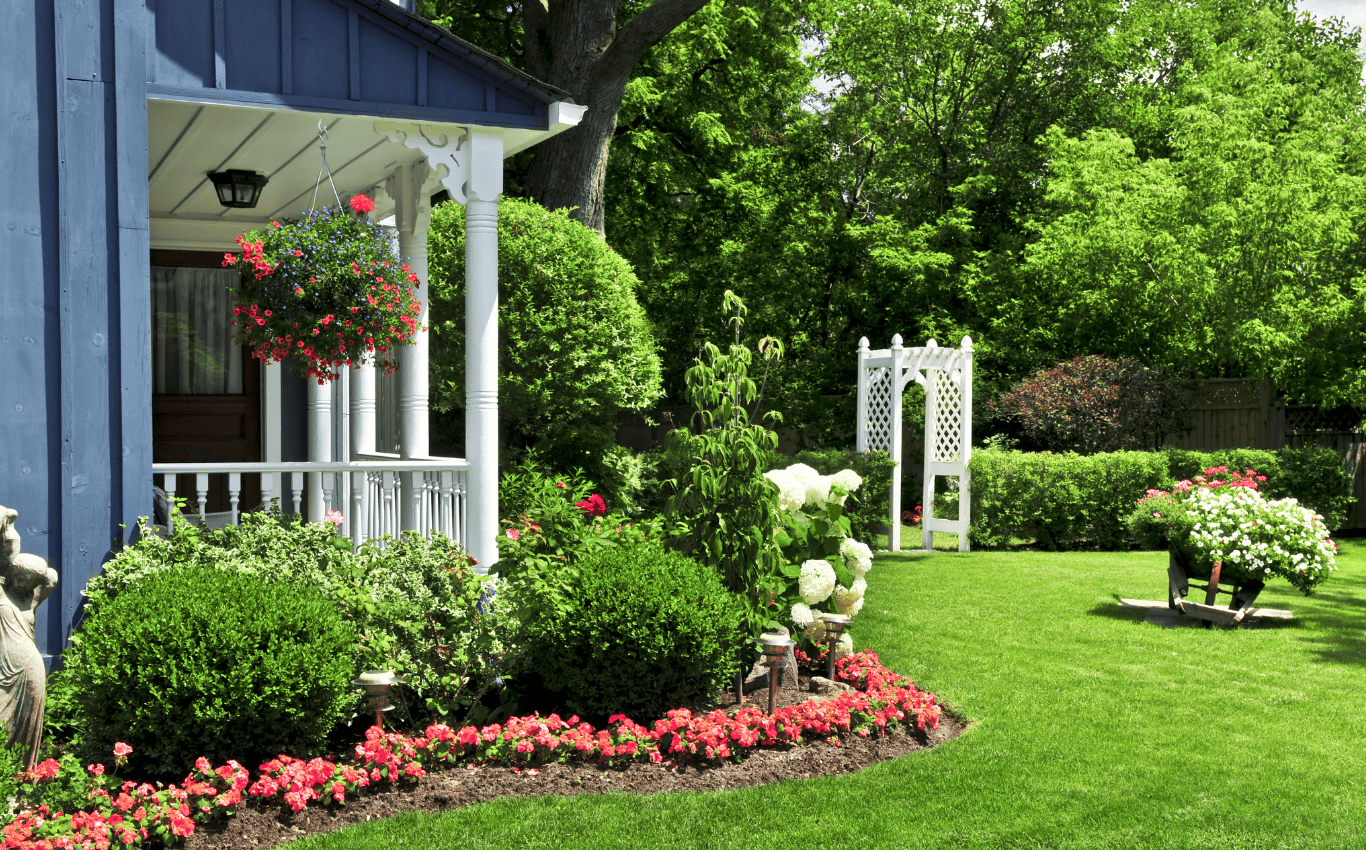
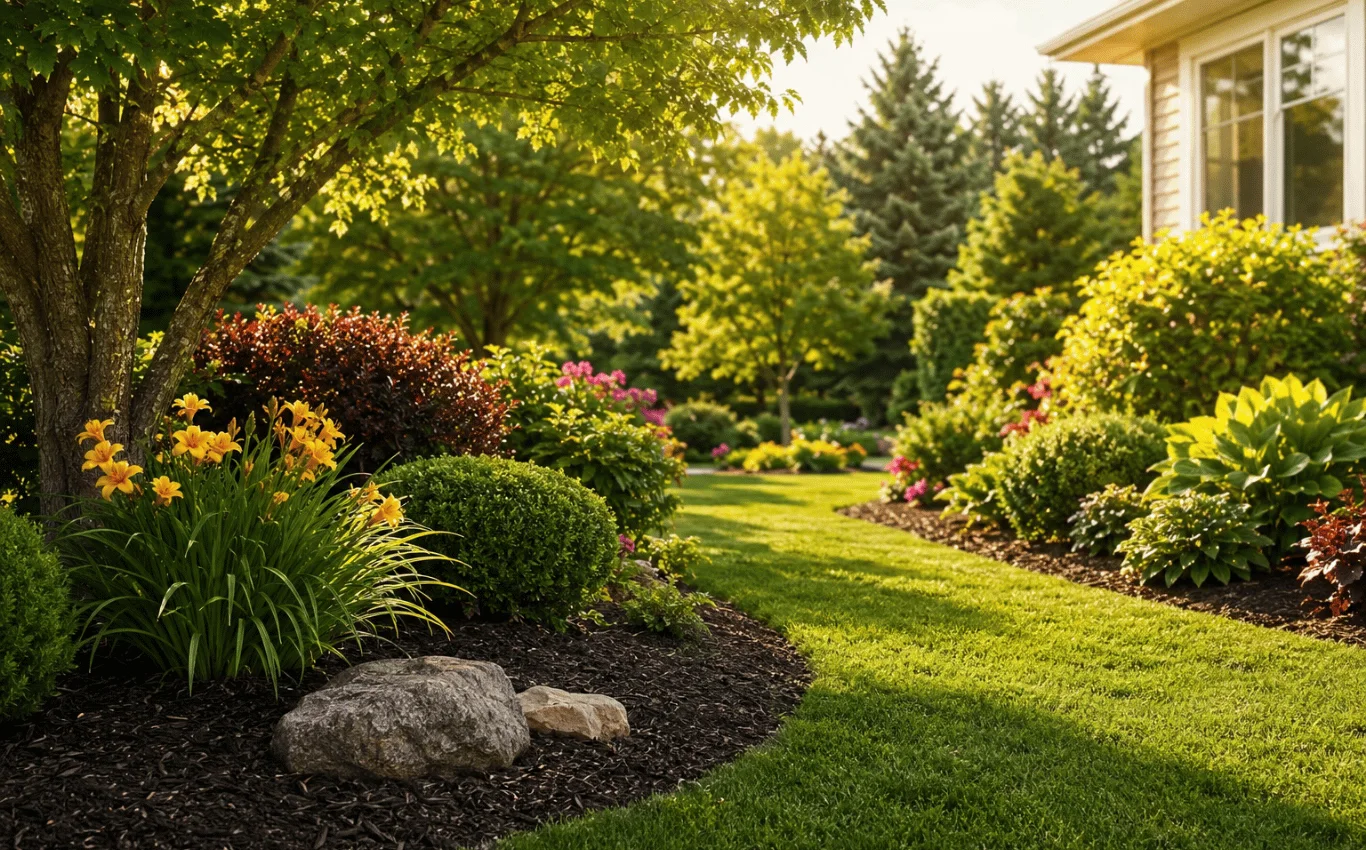
Your yard’s plants act as natural storm defenders by absorbing rainwater, stabilizing soil, preventing erosion, and guiding runoff. A storm-ready yard relies on the right plant systems in the right places, especially for Long Island’s weather patterns.
Deep-rooted shrubs, native grasses, and perennials help stabilize the ground during heavy rainfall. Some benefits include:
Eagle Eye’s Planting services can help you choose native species that thrive in Long Island’s climate.
Rain gardens are shallow, landscaped areas that collect and filter stormwater. They reduce flooding by pulling water away from your home and absorbing it safely. These gardens are both beautiful and functional, making them a popular choice for environmentally conscious homeowners.
Long Island storms bring powerful winds along with heavy rain. Planting wind-resistant shrubs and trees in strategic “buffer zones” helps shield your property from damage. Proper spacing and structural reinforcement, supported through Maintaining services, ensures plants stay strong during storms.

Even the most carefully designed storm-ready yard needs ongoing care to perform at its best. Seasonal storms, shifting soil, fallen debris, and plant growth all affect your yard’s ability to manage water and prevent damage.
Storm debris like leaves, branches, and mulch buildup can clog drainage paths. Keeping gutters, inlets, and downspout areas clear is essential for proper water flow. Professional maintenance from Eagle Eye ensures nothing blocks your storm-defense systems.
Over time, roots, soil shifting, or sediment buildup can compromise drainage systems. Regular checks can identify issues early. Some key signs to look for:
Healthy plants absorb water faster and stabilize soil better. Dead shrubs, overgrown roots, and diseased trees weaken your yard’s natural defenses. With regular care and Planting + maintenance support, your landscape remains strong through every storm season.
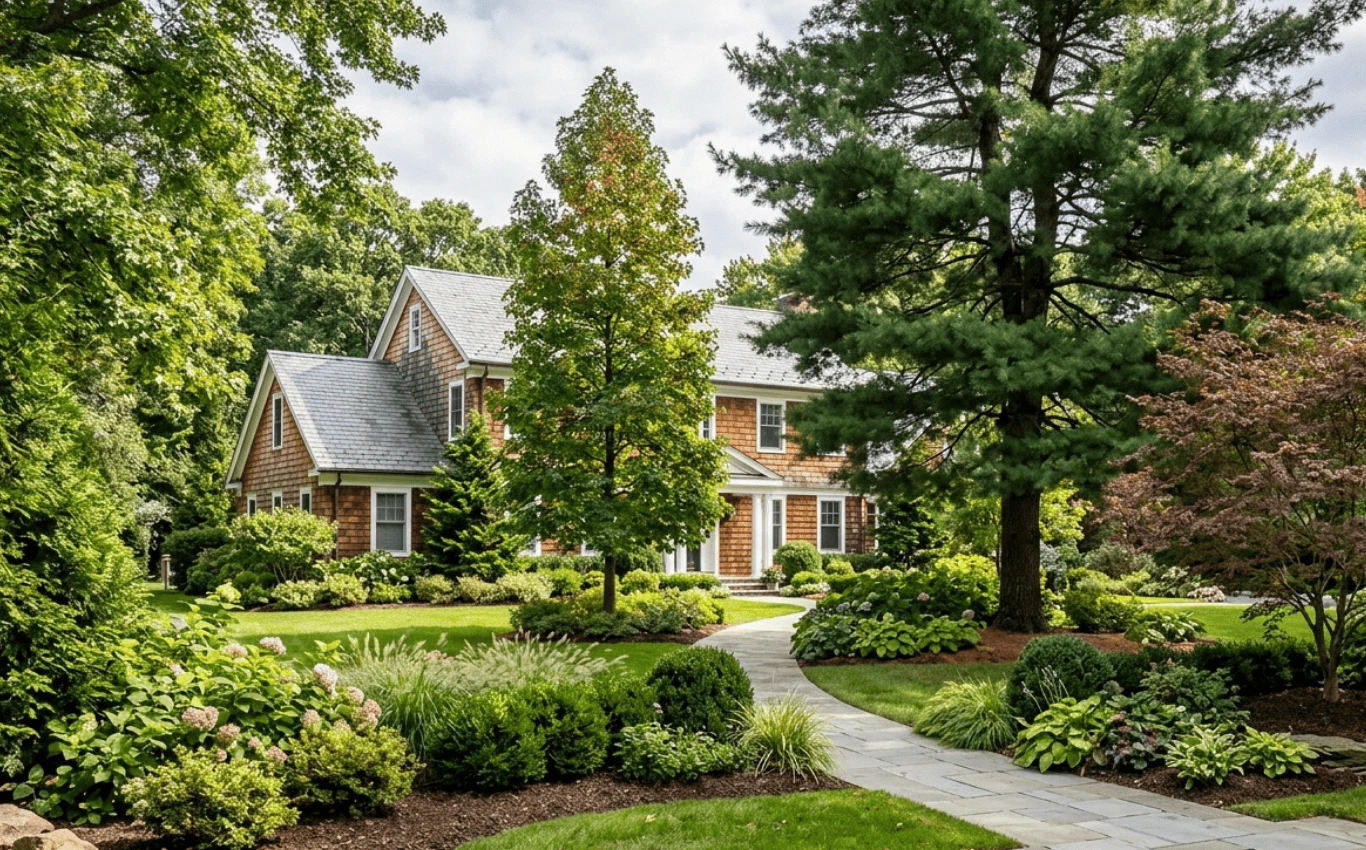
Building a storm-ready yard is one of the smartest investments a Long Island homeowner can make. With increasingly unpredictable weather and heavier rainfall, preparing your property ahead of time prevents costly damage and protects your home from avoidable stress. By understanding your yard’s natural drainage, shaping the landscape through proper grading, installing effective drainage systems, and reinforcing everything with strong plant structures, you create a resilient, functional outdoor environment built to withstand every storm. With the help of Eagle Eye Home Services and their expertise in excavation, building, planting, and maintenance, your yard can transform into a powerful storm-ready system that protects your home year-round.
Don’t wait for the next heavy rainfall to find out your yard wasn’t prepared. Our team specializes in excavation, drainage, planting, and maintenance solutions that transform vulnerable landscapes into storm-resistant systems. Let’s get your property fully protected before the next storm arrives.
Get Started Now