Get Your Free Estimate

(631) 740-7253

Most septic systems don’t fail overnight. In many cases, they show subtle warning signs months, or even years, before a major problem occurs. The challenge is that these signs are often easy to overlook. Slow drains, small patches of wet soil, or occasional odors might seem like minor inconveniences, but they can signal serious issues developing beneath the surface. When septic problems go unnoticed for too long, repairs can quickly become expensive and disruptive.
For homeowners on Long Island, where soil conditions, groundwater levels, and environmental regulations play a major role in septic performance, early detection is critical. At Eagle Eye Home Services, our professional Certified Septic & IA System Services help homeowners identify and resolve problems before they escalate. Recognizing the warning signs early can protect your property, prevent environmental damage, and save thousands in emergency repairs.

One of the first warning signs of septic system trouble appears inside the home. Many homeowners assume slow drains are simply minor plumbing issues, but when multiple fixtures begin draining slowly at the same time, it could indicate a deeper problem within the septic system.
If your kitchen sink, bathtub, and bathroom drains are all emptying slowly, it may indicate the septic tank is approaching capacity or experiencing a blockage. This happens when wastewater cannot properly move through the tank and into the drain field.
Ignoring these early signs allows pressure to build inside the system, increasing the risk of backups and overflow.
Occasional clogs happen in any home, but repeated toilet backups often indicate a septic problem rather than a simple plumbing blockage. Wastewater may struggle to exit the system properly when the tank becomes overloaded or the drain field begins to fail.
Early inspection through professional Certified Septic & IA System Services can help determine whether the issue lies within the septic tank, pipes, or surrounding soil conditions.
Another subtle warning sign is unusual gurgling sounds when water drains. These sounds often occur when air becomes trapped inside pipes due to slow septic drainage. While homeowners sometimes dismiss these noises, they can indicate that the septic system is not processing wastewater efficiently.
Addressing these early symptoms prevents larger plumbing failures later.
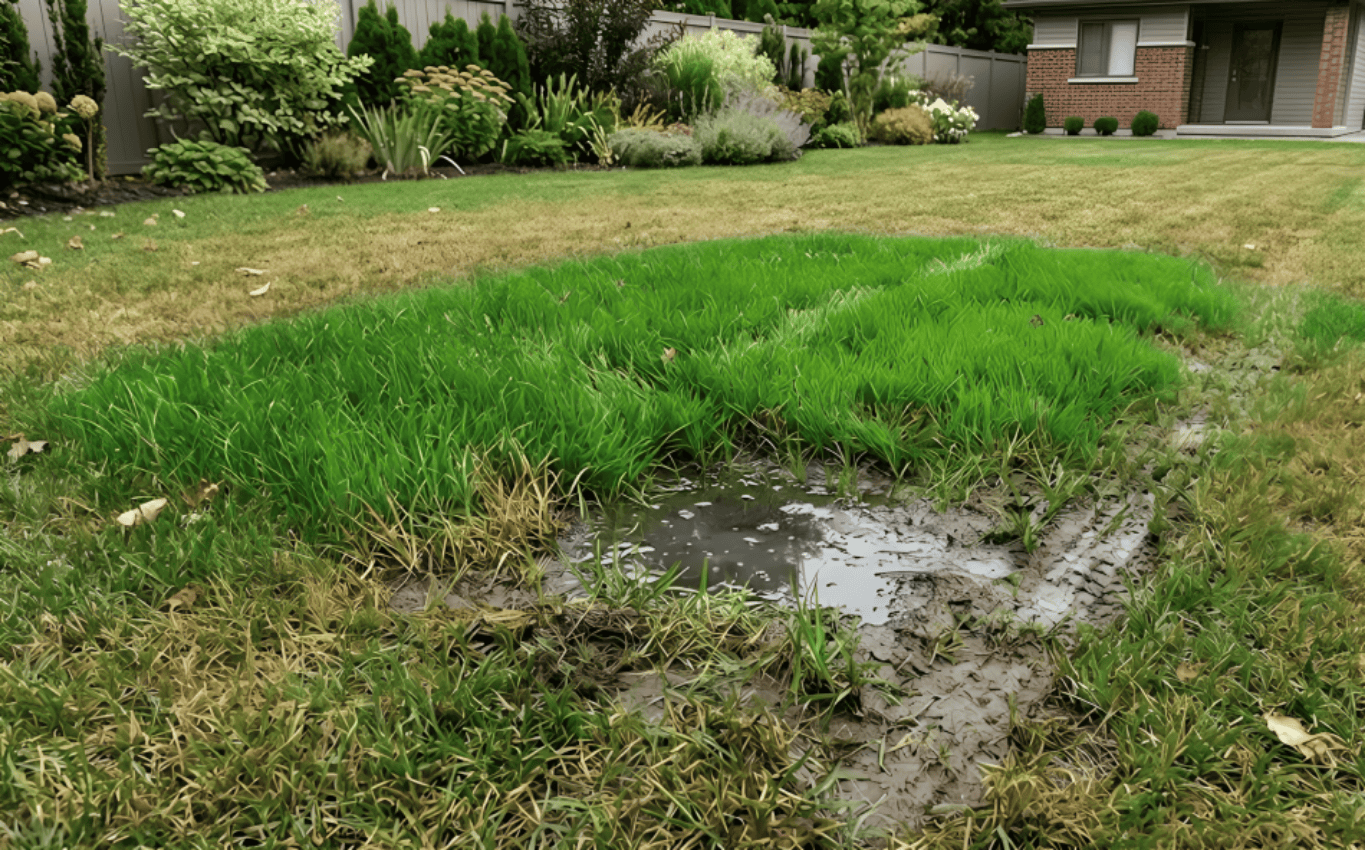
Septic systems are mostly hidden beneath the surface, which means the yard above them often provides the first visible clues of trouble.
While a healthy lawn is usually a good sign, extremely lush or bright green patches above your septic system could indicate wastewater leaking into the soil. Nutrients from sewage act like fertilizer, causing grass to grow faster in specific areas.
This often signals that wastewater is escaping before reaching the proper filtration stage.
One of the clearest warning signs of septic trouble is unexplained standing water near the drain field. Even during dry weather, pooling water or soggy soil may indicate the system is struggling to absorb wastewater.
Proper property grading plays an important role in septic health. Professional Grading & Drainage Solutions help manage water flow around the septic system and prevent soil saturation that can overwhelm the drain field.
Strong sewage smells outside your home are another clear signal of septic system distress. These odors typically occur when gases escape from the tank or when wastewater reaches the soil surface.
Homeowners sometimes ignore these smells temporarily, but they rarely disappear without proper system evaluation.

On Long Island, environmental factors play a major role in septic system performance. Soil conditions, groundwater levels, and drainage patterns all influence how well wastewater is treated.
If soil around the drain field becomes compacted or waterlogged, wastewater cannot filter properly. This leads to backup pressure inside the system.
Professional Site Work & Dirt Work helps restore proper soil structure and drainage conditions, ensuring wastewater moves through the filtration system effectively.
Periods of heavy rain can saturate the soil surrounding a septic drain field. When the soil becomes too wet, it loses its ability to absorb wastewater efficiently.
This can lead to:
Long-term solutions may involve drainage improvements or excavation work to improve soil conditions.
Tree roots naturally grow toward moisture sources, making septic pipes and drain fields attractive targets. Over time, roots can infiltrate pipes and create blockages or cracks.
Routine inspections and professional Excavation Services can help identify and remove root intrusion before severe damage occurs.

Many homeowners delay septic inspections because the system still appears to function normally. Unfortunately, septic problems often worsen silently beneath the surface.
When a tank becomes too full or blocked, wastewater may back up into the home or overflow into the yard. Cleanup and restoration costs can be significant, especially if contamination spreads to surrounding areas.
The drain field is responsible for filtering wastewater safely into the soil. When it fails, the system may require extensive excavation and reconstruction.
Preventative inspections through Certified Septic & IA System Services often catch these problems early enough to avoid full replacement.
On Long Island, septic system failures can impact groundwater quality. Because of this, local regulations surrounding septic systems are strict, particularly for nitrogen-reducing IA systems.
Ignoring early warning signs may not only cause property damage, it can also lead to regulatory complications if contamination occurs.
Septic systems quietly perform one of the most important functions in any home, safely managing wastewater and protecting the surrounding environment. But when problems develop, they rarely announce themselves loudly. Instead, they appear as small warning signs, slow drains, minor odors, damp soil, or unusually green grass.
Recognizing these early signals allows homeowners to take action before major damage occurs. With professional inspections, proper drainage management, and proactive maintenance, septic systems can operate efficiently for decades.
If you’ve noticed slow drains, unusual yard conditions, or unexplained odors around your property, it may be time for a professional inspection. Eagle Eye Home Services provides expert Certified Septic & IA System Services to help homeowners identify issues early and maintain reliable wastewater systems.
Our team also offers professional Excavation Services, Grading & Drainage Solutions, and Site Work & Dirt Work to ensure your property’s infrastructure stays strong.
Contact Eagle Eye Home Services today to schedule an inspection and keep your septic system operating safely.



.png)

