Get Your Free Estimate

(631) 740-7253

Water doesn’t need force to cause damage , it needs time, repetition, and a single weak spot. On residential properties across Long Island, water quietly reshapes landscapes, shifts soil, and works its way toward foundations, basements, and septic systems long before homeowners notice visible problems.
What makes water so dangerous isn’t volume alone, but behavior. It follows gravity, seeks resistance, and exploits small flaws in grading, soil compaction, and drainage paths. A yard that looks perfectly fine on the surface can still be directing thousands of gallons of runoff toward the most vulnerable parts of your property.
Understanding how and why water behaves the way it does is the first step toward preventing costly repairs and it’s where professional excavation, grading, and site planning make the biggest difference.

Water movement is never random. It follows physical rules, slope, resistance, absorption, and compaction. When these elements aren’t intentionally managed, water naturally finds the easiest path downward, often toward structures and underground systems.
Even when a yard looks flat, water is constantly moving toward the lowest elevation. Small, almost invisible slopes can funnel runoff toward foundations, crawl spaces, and basements. This is why professional Grading and drainage solutions are essential. Without proper grading, water concentrates instead of dispersing, increasing pressure on weak points.
Different soils absorb water differently. Sandy soils drain quickly but erode easily, while clay-heavy soils retain moisture and cause surface pooling. Many Long Island properties contain mixed soil layers, leading to unpredictable water behavior. Professional Site work and dirt work reshapes and stabilizes these layers to guide water safely away from vulnerable areas.
Driveways, walkways, patios, and high-traffic lawn zones compress soil, reducing absorption. Once compacted, water is forced sideways toward softer areas — often garden beds, foundation edges, or septic zones, creating repeated saturation in the same locations.
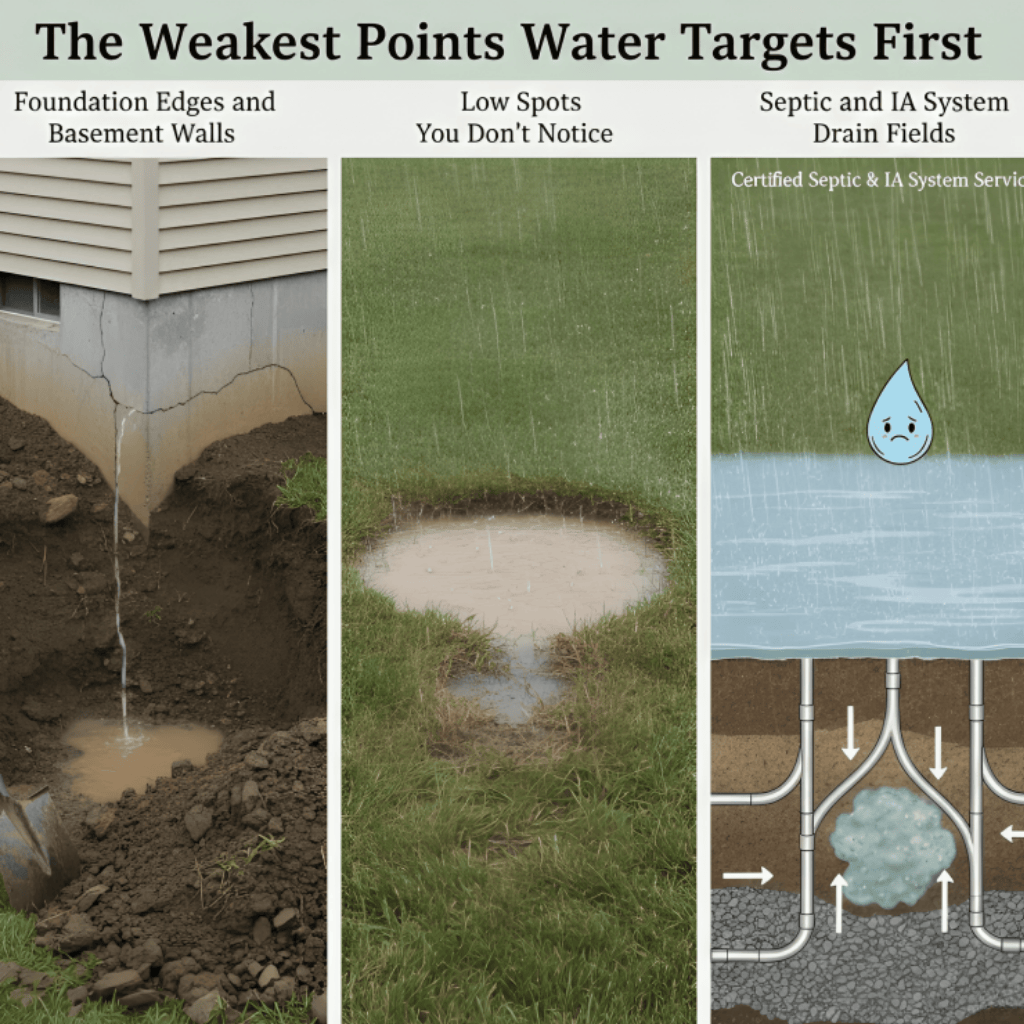
Water doesn’t attack everything equally. It repeatedly targets specific weaknesses until damage becomes visible and expensive.
Soil around foundations is often disturbed during construction and never properly regraded or compacted. This loose soil absorbs and holds water against foundation walls, leading to cracks, seepage, and flooding. Strategic Excavation services allow professionals to reshape these areas and redirect water before it causes structural damage.
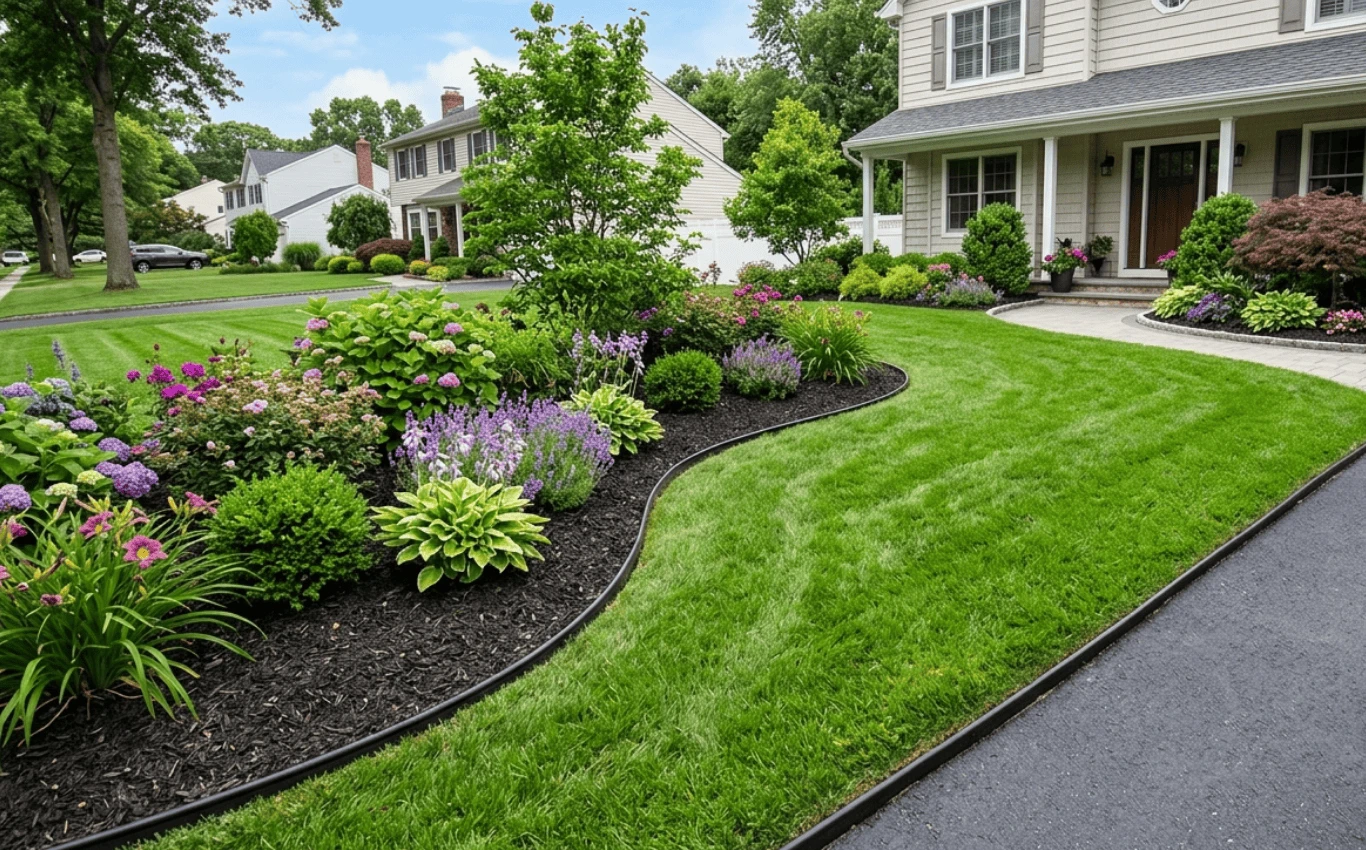
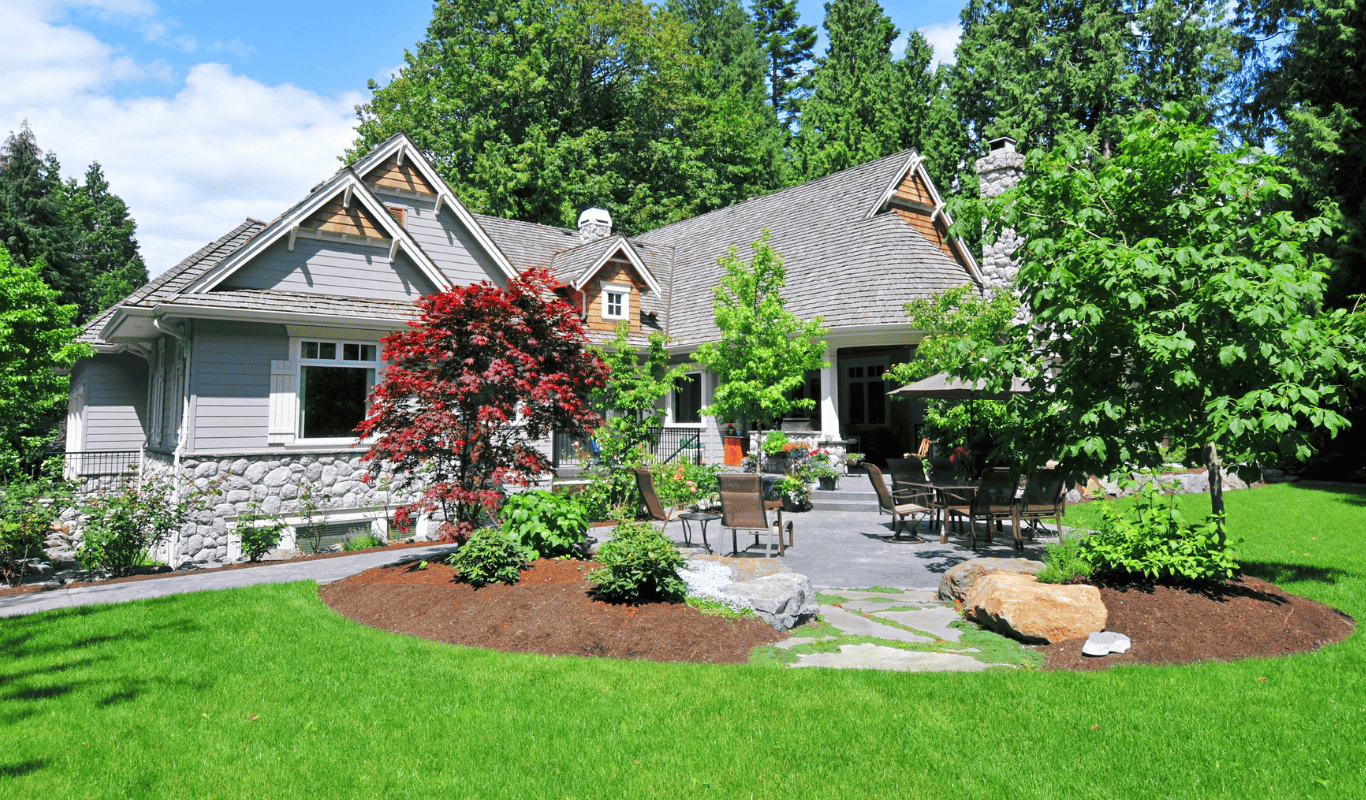
Small lawn depressions or garden dips may seem harmless, but they act as collection points during storms. Over time, repeated saturation weakens turf, kills root systems, and accelerates erosion. Many of these transformations are visible in Eagle Eye’s Project gallery, where corrected grading dramatically improves both appearance and function.
Septic systems depend on balanced soil absorption. When surface water floods drain fields, it disrupts bacterial processes and reduces system efficiency. That’s why Certified Septic & IA System Services must always be supported by proper grading and drainage planning.
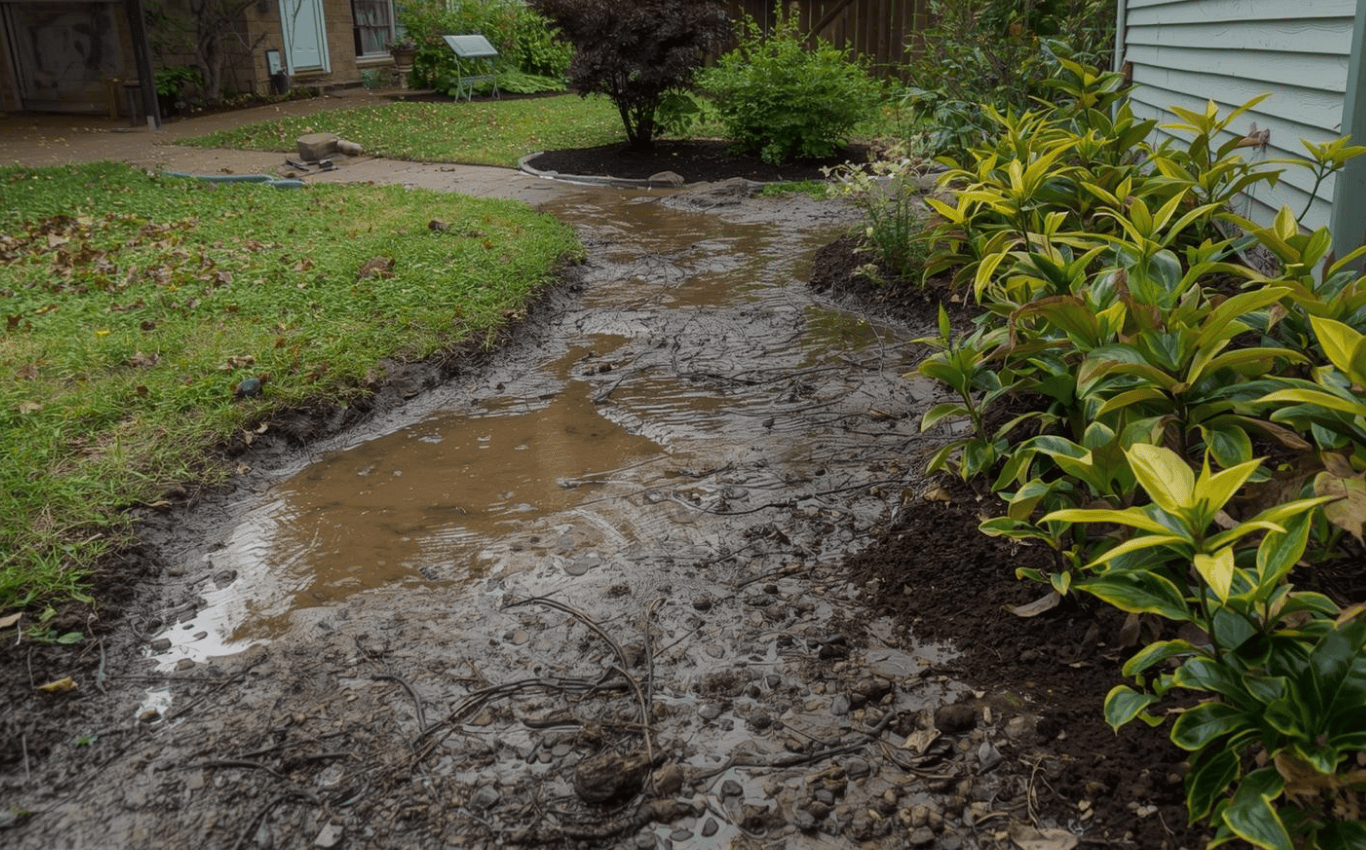
Many homeowners attempt to fix water issues with surface-level solutions. While these may improve appearance temporarily, they rarely address the true cause.
Adding soil to low areas may raise elevation briefly, but without correcting subsurface slope and compaction, water simply returns. Effective Grading and drainage solutions reshape the land below the surface, where water behavior actually begins.
While some plants tolerate wet conditions, they don’t change water flow. Planting without drainage correction often leads to root rot, soil instability, and repeated plant failure.
Improperly installed drains clog, collapse, or redirect water toward other weak points. Without professional excavation and slope calculations, drains act as short-term patches rather than permanent solutions.

The most effective way to control water is to manage it before it reaches vulnerable areas. This requires planning not reaction.
Professional grading doesn’t eliminate water; it controls where it goes. Carefully planned slopes guide runoff away from structures and toward safe dispersal zones, forming the foundation of reliable Site Work And Dirt Work.
Many drainage failures start underground collapsed soil pockets, buried debris, or improper fill. Thorough Excavation Services expose these hidden issues so they can be corrected permanently.
The strongest properties treat drainage, septic systems, landscaping, and structures as one connected system. Professional planning ensures improvements work together rather than creating new vulnerabilities.
Water damage doesn’t happen by chance. It follows physics, terrain, and opportunity. When properties are graded, excavated, and maintained with water behavior in mind, problems are prevented before they begin. When they aren’t, water inevitably finds the weakest point , whether that’s a foundation edge, a lawn depression, or a septic system. Investing in professional site planning means taking control of water before it takes control of your property.
If your property shows signs of poor drainage, erosion, or water pooling, now is the time to act. Eagle Eye Home Services provides professional grading and drainage solutions, excavation services, site work and dirt work, and certified septic and IA system services designed to protect your property long-term.
Contact Eagle Eye Home Services today to schedule a consultation.